
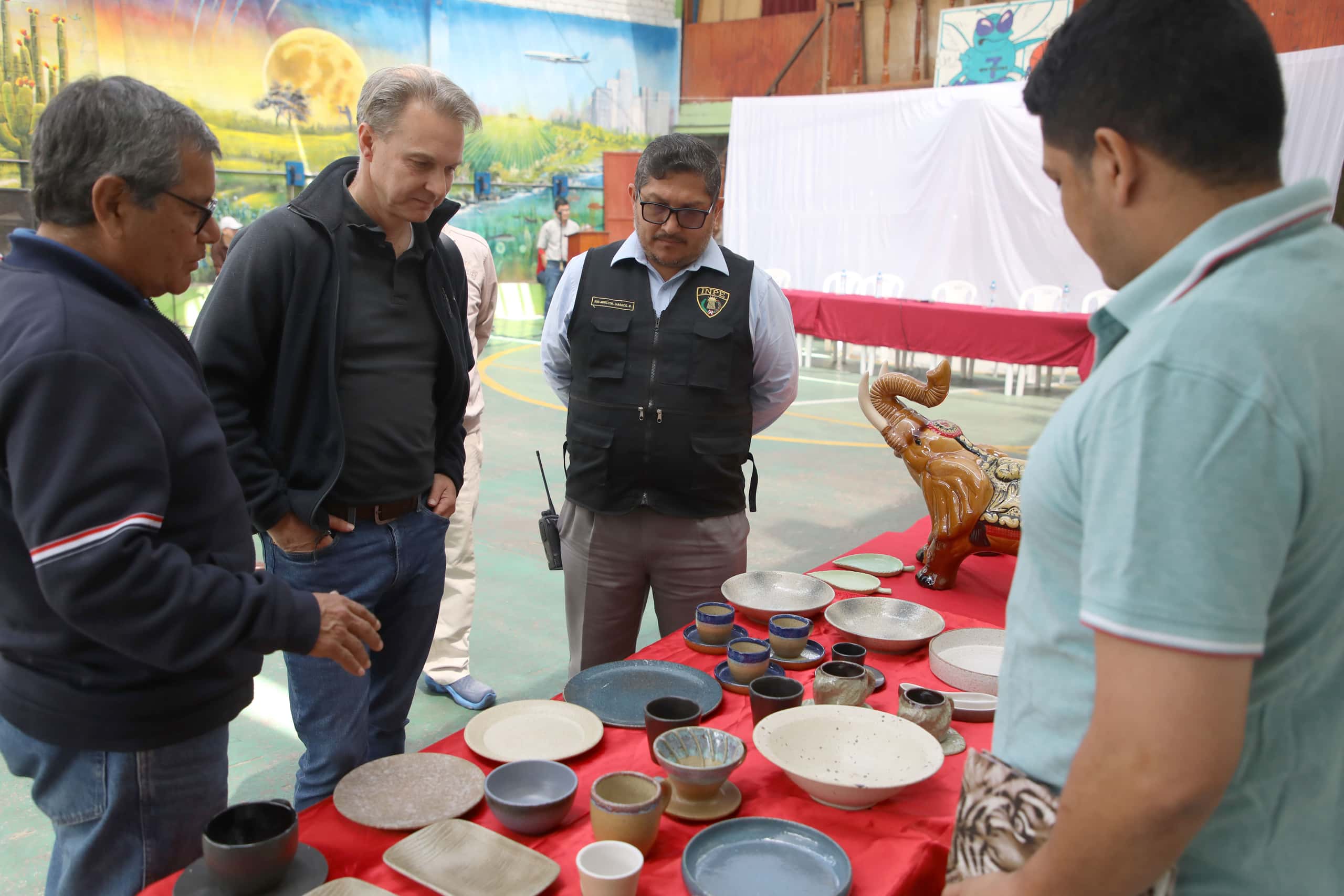
Ceramics that change lives in Peruvian prisons
A sustainable alliance between the Dutch embassy in Lima and civil-society actors
How are our colleagues at the missions contributing to a sustainable world and a sustainable organisation? In the heart of Lima, yet far from the city’s daily rhythm, ceramic workshops inside Peru’s largest prisons have unexpectedly become spaces for creativity, dignity and hope. For many years now, the Dutch embassy in Peru has been working closely with the NGO Human Dignity and Solidarity (Asociación Dignidad Humana y Solidaridad, DHS). Their most recent collaborative project is Ecosystems of Cooperation, an initiative designed to strengthen technical and entrepreneurial skills among prisoners and their families. The aim is to promote a model of reintegration that is more humane, sustainable and centred on human rights.
This initiative is part of a long tradition. The embassy has supported rehabilitation and reintegration programmes in Peruvian prisons since the 1970s, when it joined forces with the Belgian priest and human rights activist Hubert Lanssiers. That partnership laid the foundation for a commitment that continues to this day in the form of projects combining traditional craftsmanship with social and environmental innovation.
A human-centred project
Ecosystems of Cooperation sprang from a simple but powerful idea: incarceration affects not only the prisoners themselves, but also their families and communities. This is why the project seeks to create opportunities not only for prisoners, but also for their families – especially wives and girlfriends, who often bear the emotional and financial burden of their partner’s incarceration.
Through technical training, rights-based workshops and entrepreneurial mentorship, the project fosters collaborative micro-business models in which women become co‑entrepreneurs along with their imprisoned family members. This project aligns with key priorities of Dutch foreign policy: gender equality, economic empowerment of women and reducing gender‑based violence.
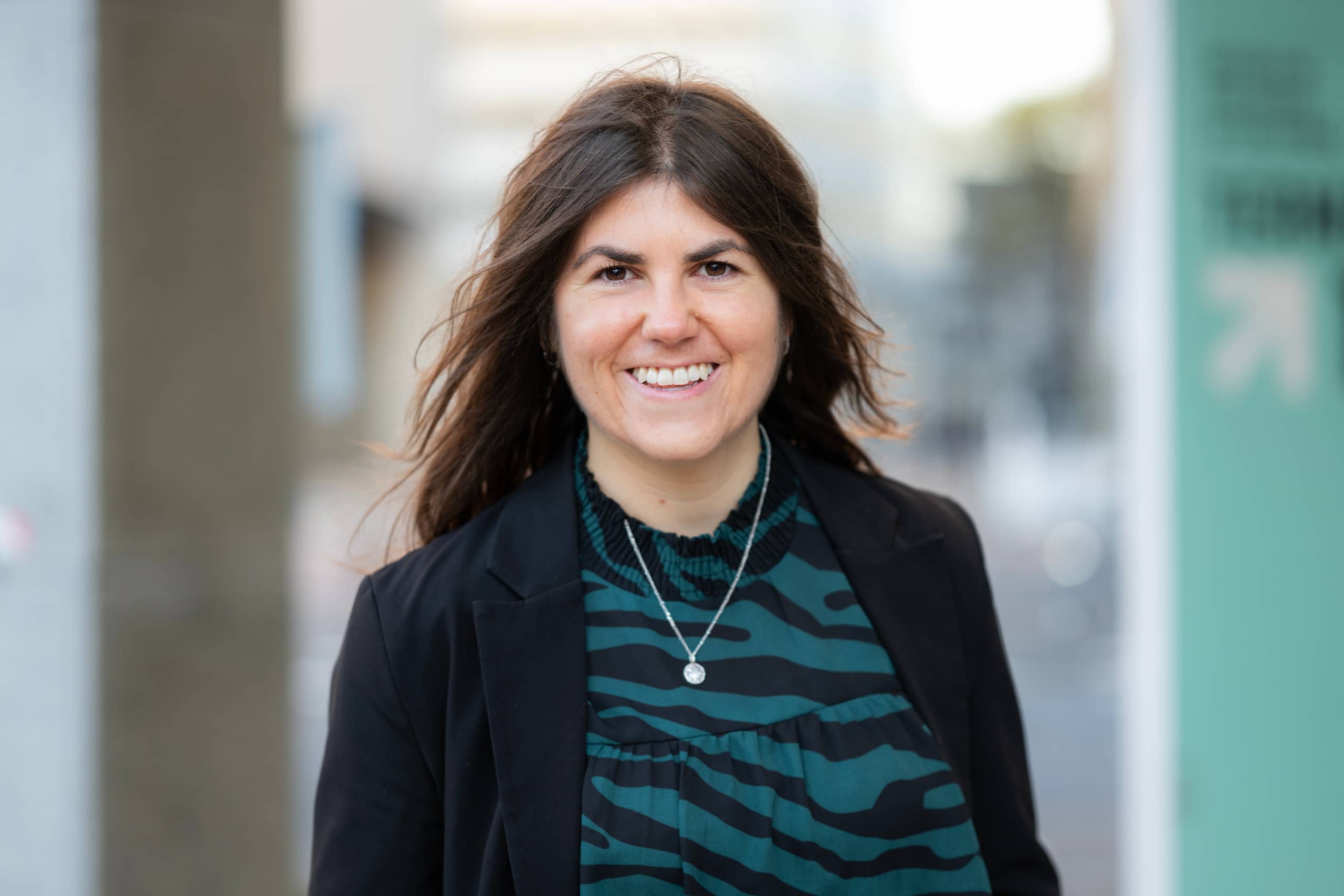
Eva Ferket, project leader for sustainable missions and community management 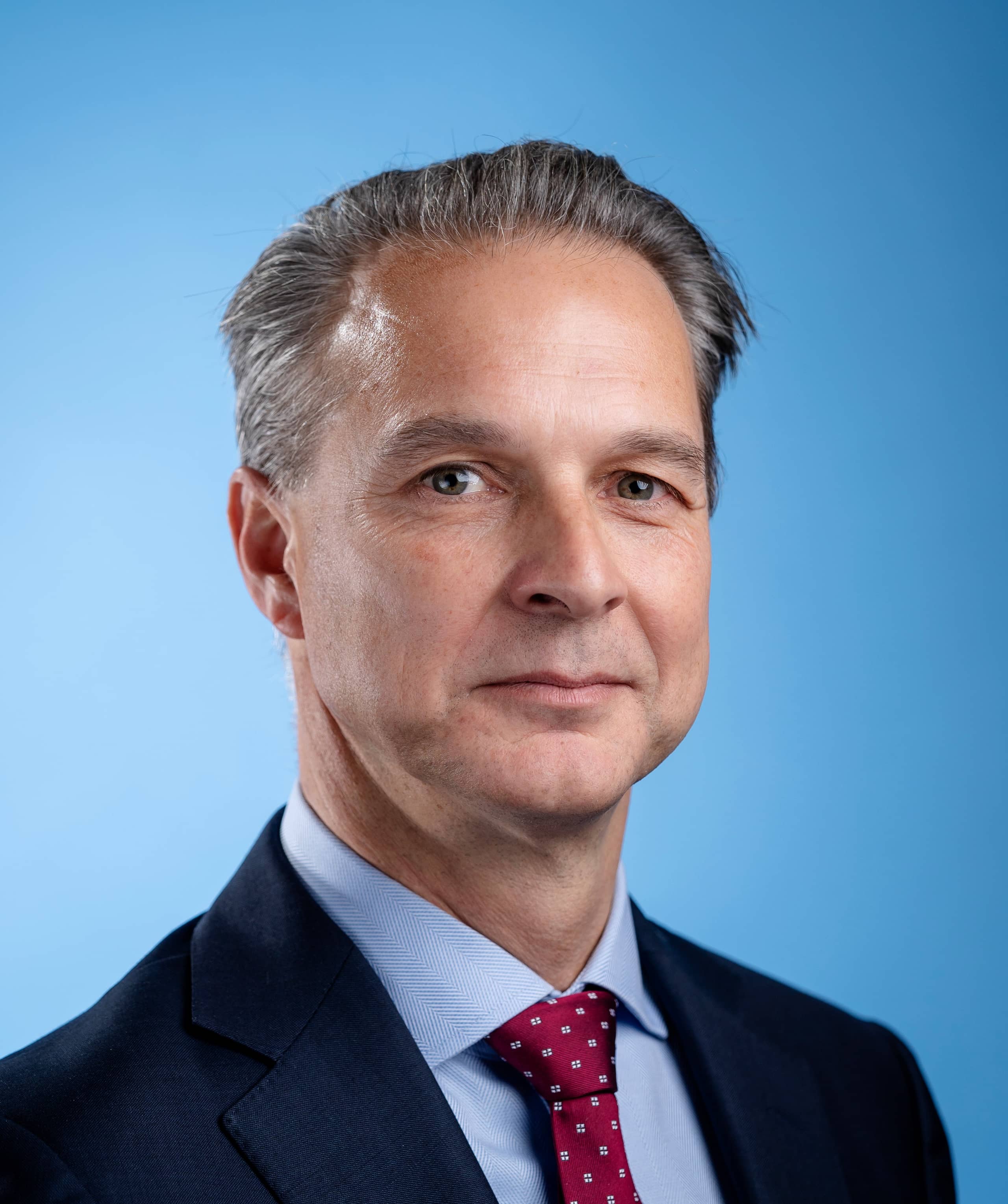
Alexander Kofman, ambassador in Lima, Peru
“The project “Ecosystems of Cooperation” is based on a simple but effective notion: detention does not only affect the prisioners themselves, but also their families and neighbours. The project aims to create opportunities for not just the prisoners but also their family members.” - Alexander Kofman
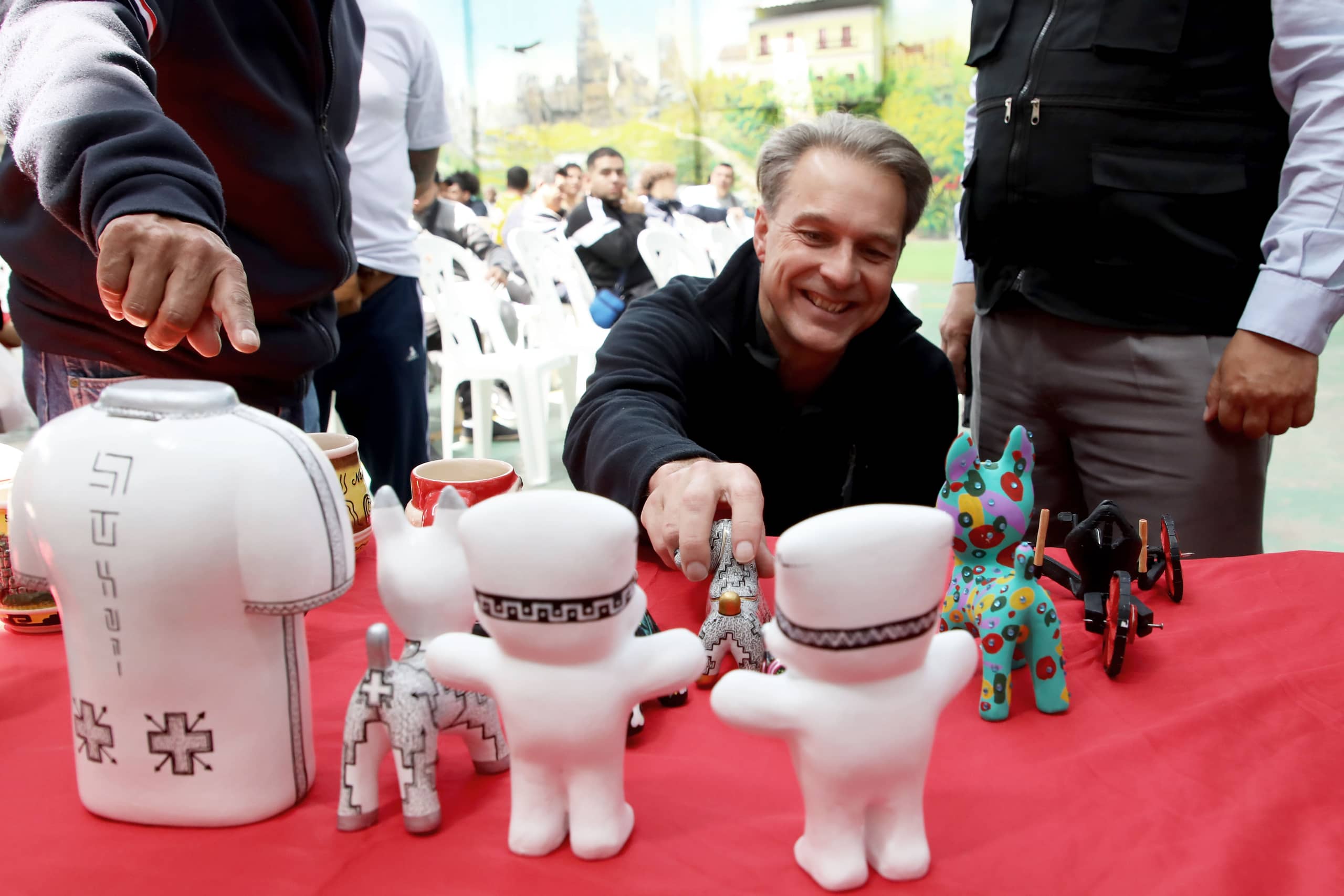
Beeld: © BZ / Josje Deekens
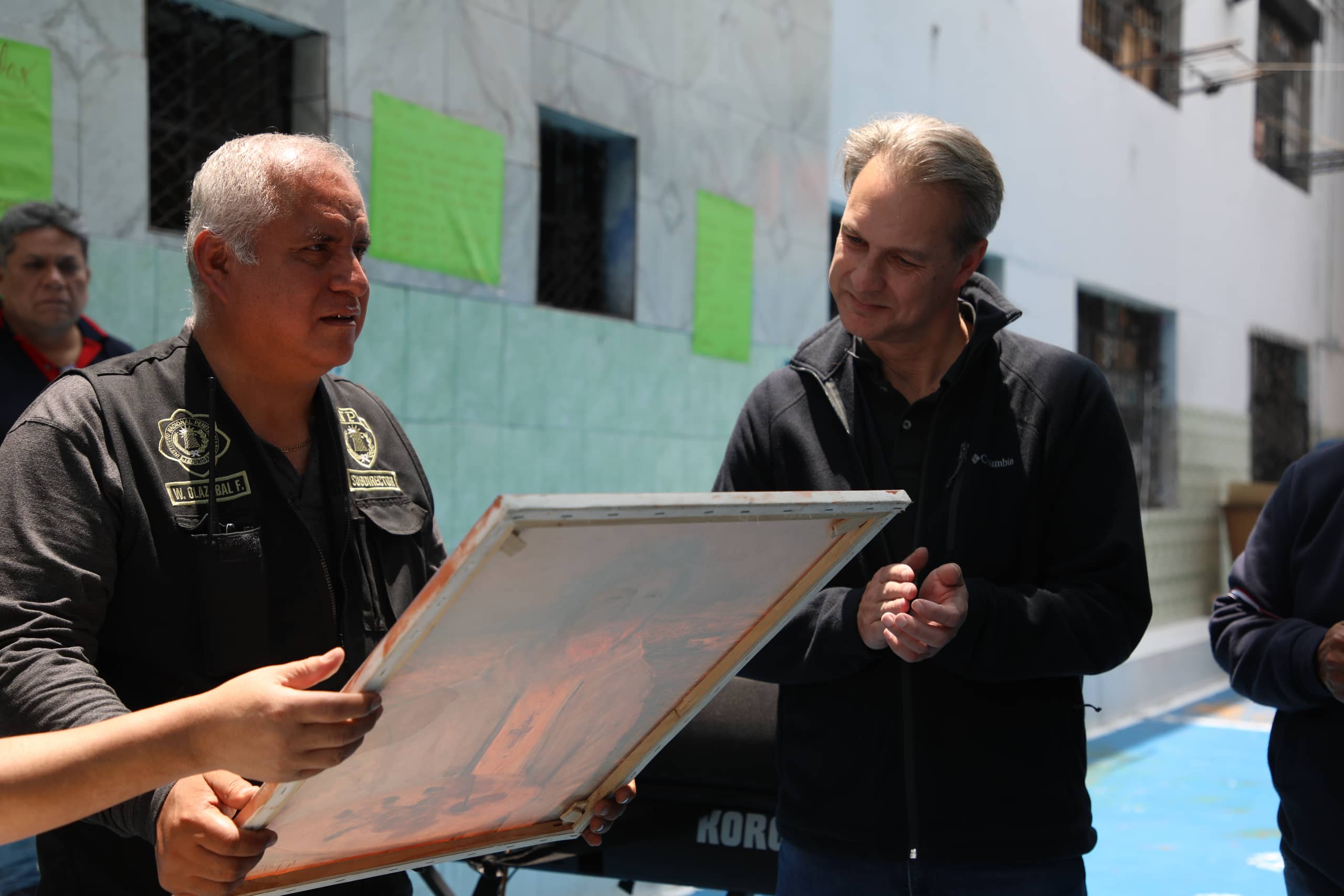
Ambassador Alexander Kofman views ceramics made by prisoners
Social workplace that creates future prospects
DHS, which has nearly three decades of experience of working inside Peruvian prisons, has proven an indispensable partner. Its close collaboration with the National Penitentiary Institute (INPE) – which heads the nationwide Productive Prisons programme – ensures that the workshops are run safely and effectively.
Besides expertise and funding, the embassy offers concrete opportunities for economic activity. For many years now, it has commissioned the production of protocol gifts from prison workshops, ranging from ceramics to the emblematic orange T‑shirts worn during King’s Day celebrations in Lima. These steady commissions supplement the income of prisoners and their families, promote a focus on sustainability and showcase the talent that exists inside Peru’s penitentiary system.
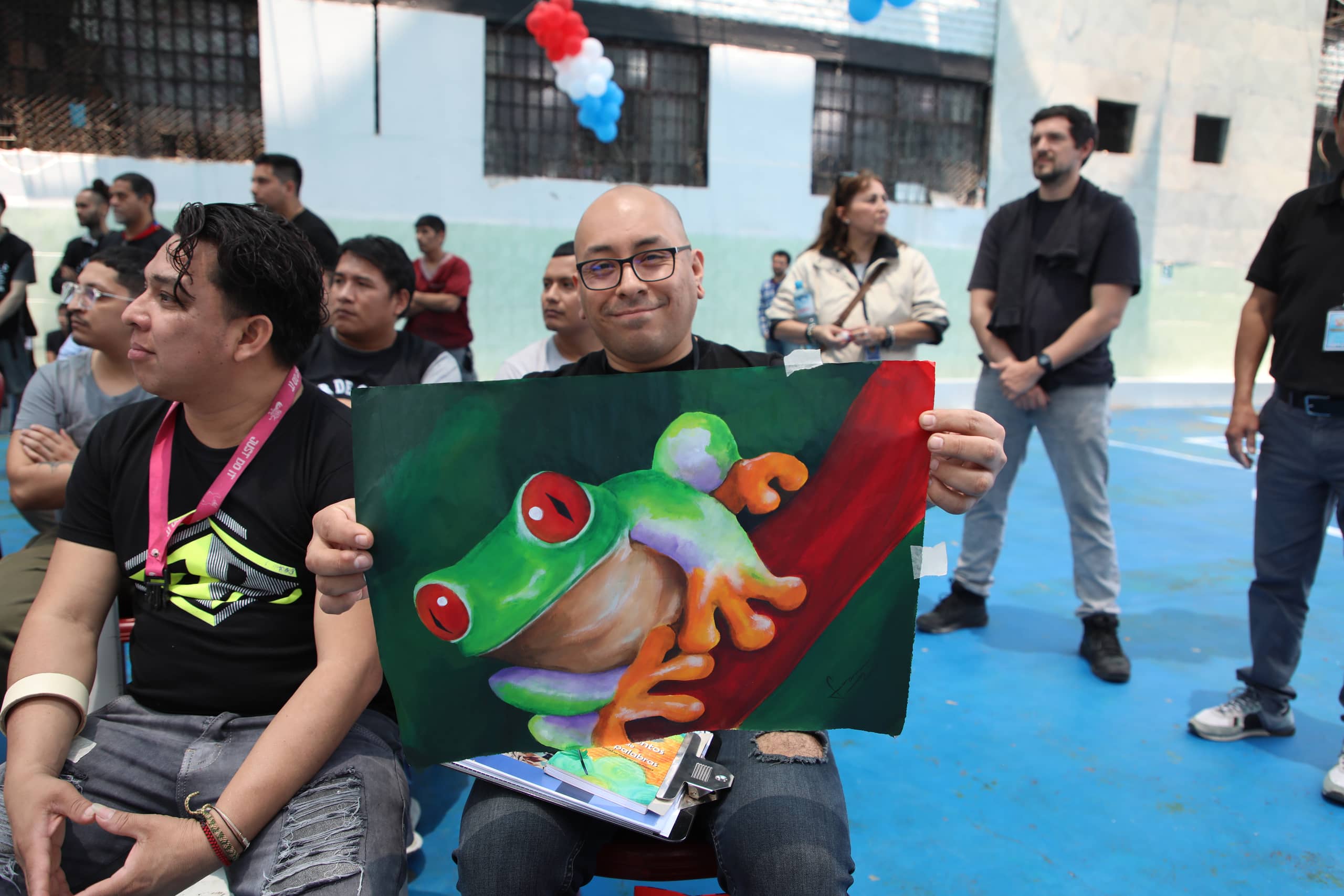
Beeld: © BZ / National Penitentiary Institute
Ceramics and textile crafts boost livelihoods and sustainability
Ceramics is more than an art form – it’s a tool for emotional expression and personal transformation. For many inmates, working with clay provides a therapeutic outlet, a new skill set and a healthier routine. When the Productive Prisons programme started, the embassy donated kilns and the necessary tools. The embassy’s involvement also helped the programme find more partners so as to get the workshops up and running. Similarly, the textile workshops, where T‑shirts and other handcrafted items are made, showcase prisoners’ creativity and contribute to a circular economic model that focuses on local production and reduces environmental impact.
A local approach, using low‑impact materials and reinvesting earnings into fresh supplies, is at the heart of the embassy’s commitment, aligning as it does with BZ’s sustainability targets.
An ecosystem that connects prisoners with the outside world
The project’s most innovative aspect is that it focuses on the entire ecosystem of entrepreneurship involving prisoners, their families and civil society. The production process begins inside the prisons while the rest of the business – sales, marketing and reinvestment – takes place outside. Many families promote the products online, transforming creativity into income and strengthening family bonds.
The success of this initiative in Lurigancho and Castro Castro prisons led to a similar project in the Santa Mónica women’s prison, where ceramic art gave a small group of women scope for emotional healing and planning a future.
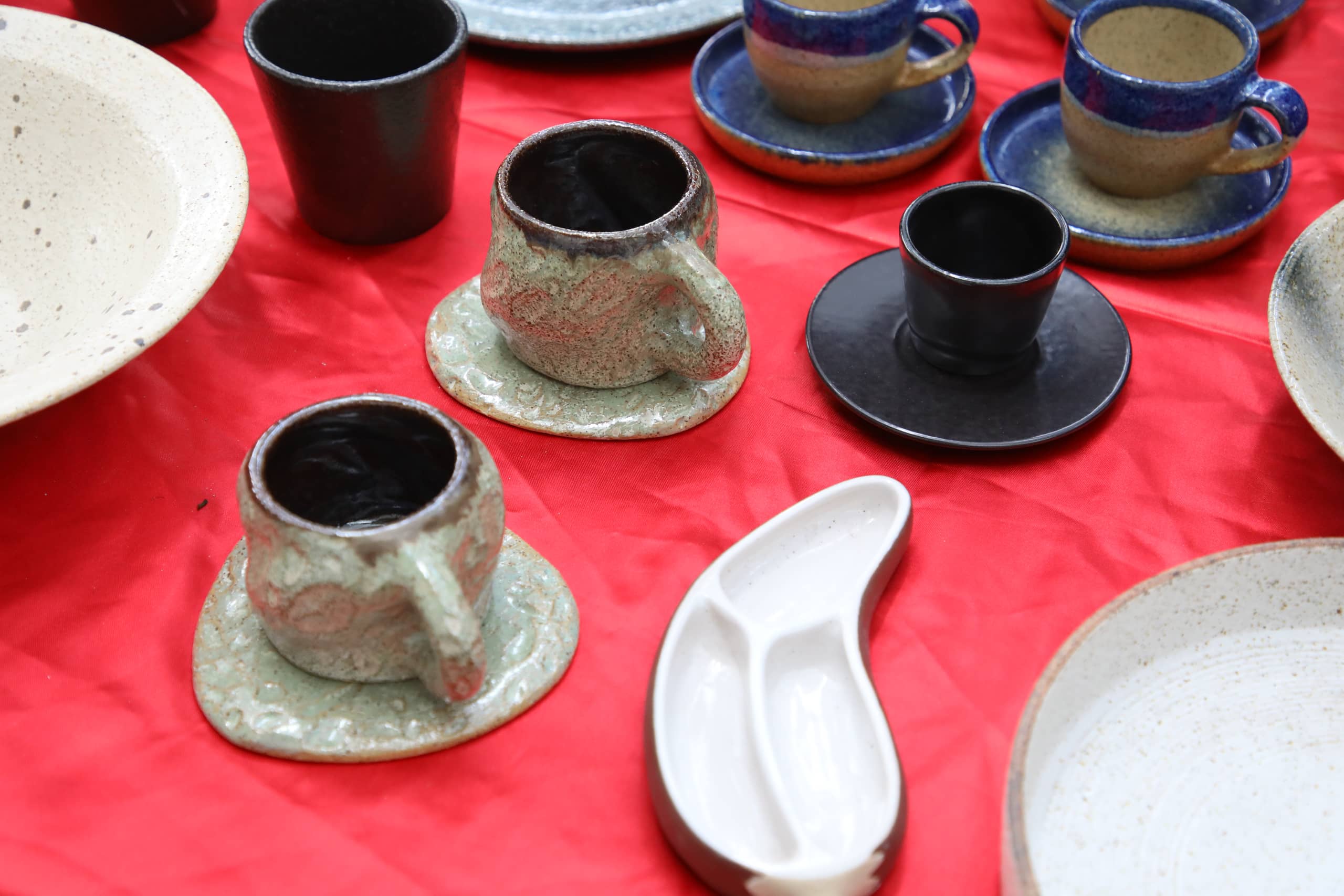
Modelling clay, modelling a future
What began as a modest, low‑budget initiative has become a model for high-impact and meaningful change. The partnership between the embassy, DHS, INPE and the prisoners’ families demonstrates that opportunities can be found even in the most challenging environments. The workshops enable participants to develop skills, boost self‑esteem, improve family relationships and build a realistic path toward reintegration. At the same time, they promote a circular model rooted in local production and responsible consumption.
We hope that this will inspire other embassies and international partners to support similar initiatives. Projects like this testify to the positive impact that can result from dignity, creativity and hope.
Sustainable Best Practices Database
The end of last year saw the launch of a Sustainable Best Practices Database that staff at the missions can tap into if they’re looking for inspiration. This year Eva aims to build on these activities and make them an integral part of BZ’s work, rather than a topic that is highlighted only once a year.