

FSO Procurement can give you a head start
How working with Procurement makes for a more satisfying and effective process
Whether for security, cleaning or a renovation, there are always goods and services to be procured at the missions worldwide and by departments in The Hague. Often the Financial Service Organisation’s Procurement Division (FSO Procurement) isn’t called in until steps have already been taken – steps that in hindsight sometimes prove to be unwise or unlawful. Not only does that cost extra time and money, it also causes unnecessary stress. Below, four FSO Procurement staff members – Regie van Gestel, Jozie Gyamfi, Jirka Mikulík and Jeroen Cichon – tell us more about their work. They explain how the procurement process works and why it pays to get FSO Procurement involved at the earliest possible stage. Their message is clear: the sooner you contact FSO Procurement, the faster and smoother the process will be.

Jozie Gyamfi, procurement assistant at FSO 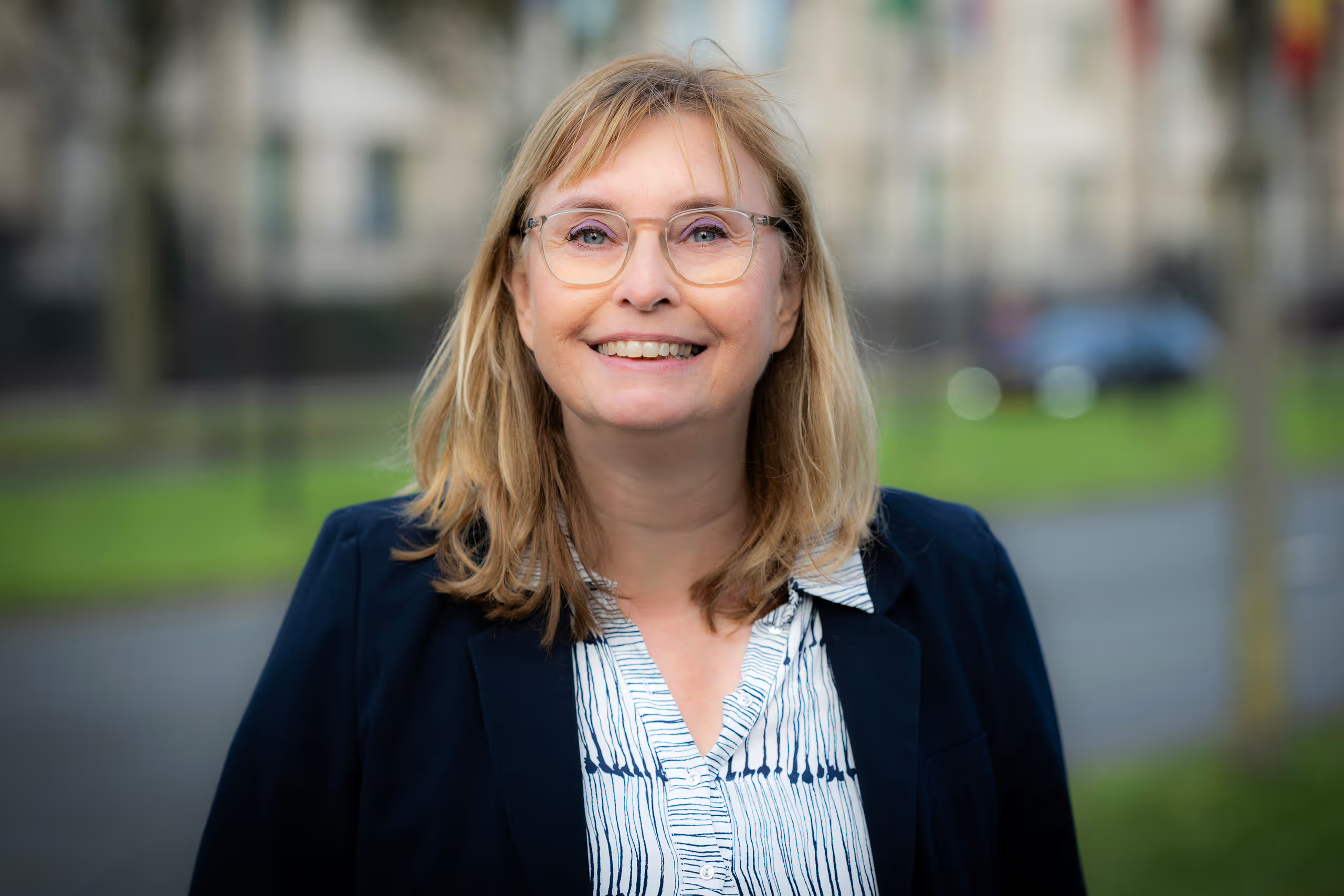
Regie van Gestel, procurement adviser at FSO 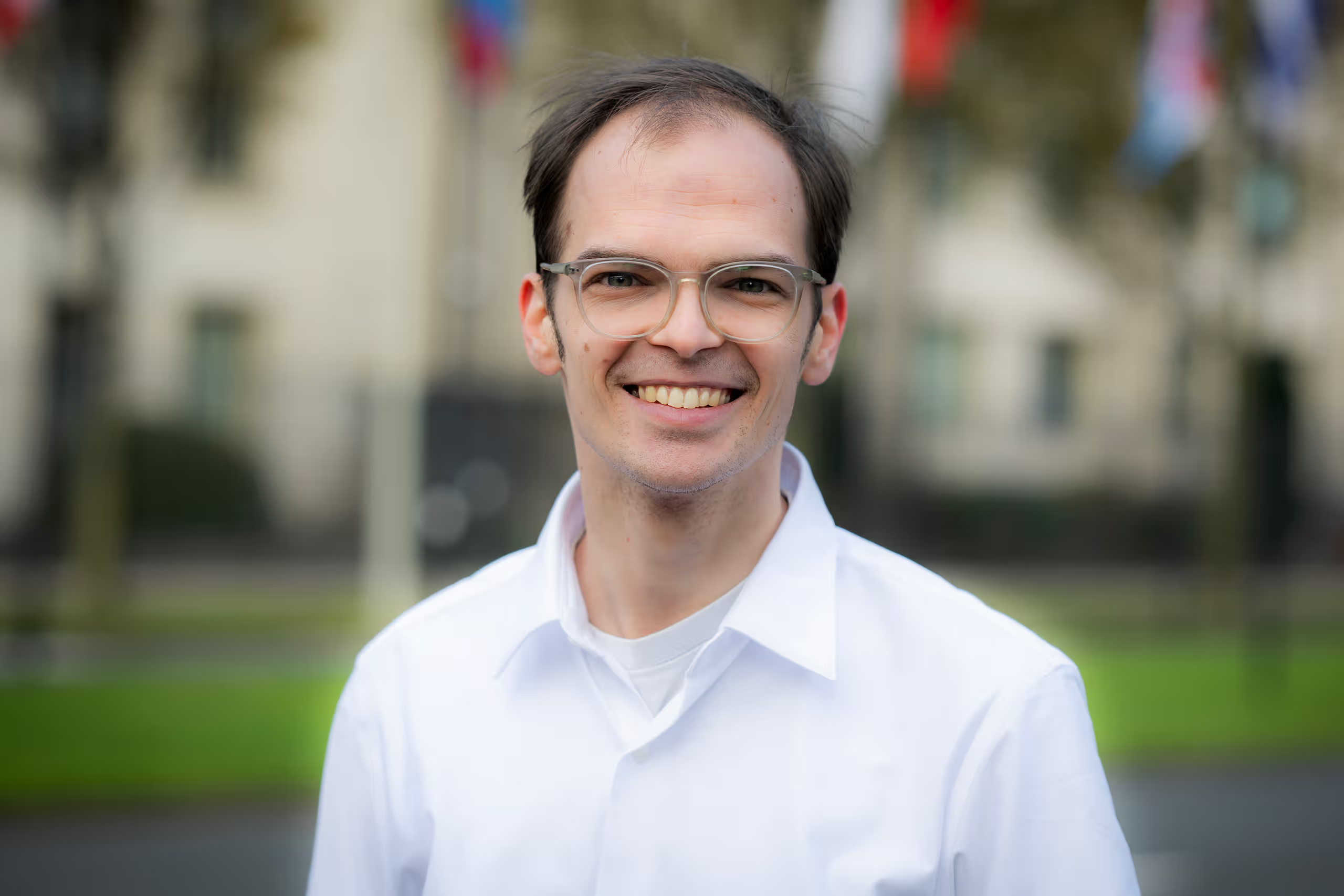
Jeroen Cichon, procurement adviser at FSO
Behind the scenes at FSO Procurement: people, expertise and added value
The Procurement Division is an independent team of advisers within FSO who support staff in The Hague and at the missions worldwide in contracting and tendering procedures. ‘The international dimension is what makes our work so fascinating. We work in five different languages: Dutch, English, Spanish, French and German,’ says procurement adviser Regie.
Requests for procurement support can be submitted via the Self Service Portal (SSP). Procurement assistant Jozie assesses each incoming request and decides which adviser is best suited to deal with it. ‘The first step is to submit a clear, detailed request and – most importantly – doing this in good time,’ she says.
The team is made up of Goods and Services specialists and Works specialists (building and renovation projects). Regie emphasises that the division’s main task is to monitor the process. ‘Our work isn’t concerned with the content, though we’re happy to offer suggestions. The mission or department is responsible for defining its requirements. We make sure that everything is done in accordance with BZ frameworks and prevailing laws.’
The advisers combine their in-depth legal knowledge with experience of dozens of previous procurement procedures. The result? Faster, better and fairer procurement for all staff worldwide, carried out in a legally valid manner.
‘The international dimension is what makes our work so fascinating. We work worldwide and carry out procurement procedures in five different languages: Dutch, English, Spanish, French and German.’ - Regie van Gestel
A flexible response
Lots of missions and departments are keen to get straight to it: problems need to be solved quickly. Sometimes, they’ve already requested estimates or made agreements before contacting FSO Procurement. It’s understandable but not without risk, Regie explains. ‘If a mission’s already requested three quotations, there’s usually no choice but to conduct a more extensive procedure. So it actually ends up taking longer.’
One common issue is that staff underestimate the total value of recurring services, such as security or garden maintenance. Contracts for these services run for years. If the total amount over a four-year period exceeds the threshold for the award of contracts, a different procedure needs to be followed. If this is established too late, then the process up to that point has been unlawful. Besides this, when a request is submitted too late, key background information often isn’t shared with FSO Procurement. Procurement adviser Jirka recalls how the urgency of an incident involving a defective generator wasn’t clear to him until he made more enquiries himself. ‘That information wasn't included in the call. But we can act much more quickly if we have the full picture.’ In short, contact FSO Procurement as soon as you start making plans. It saves time, reduces risks and leads to better results.
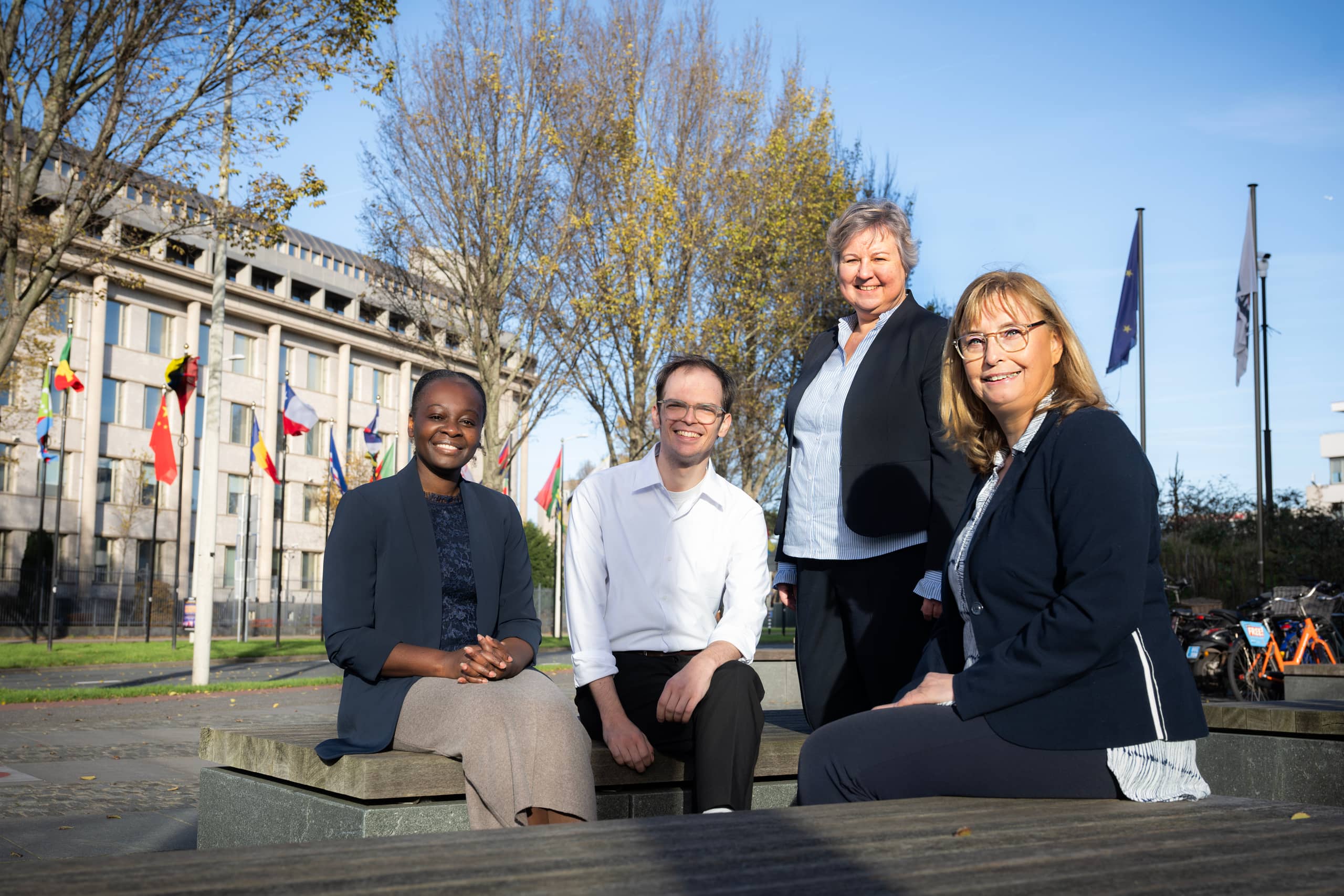
Beeld: © BZ / Josje Deekens
From plan to contract
After you submit an SSP call, an adviser will contact you and ask for more details about your request: the product or service to be procured, its cost, the desired delivery/start date and the contract duration. This information is used to determine which procedure applies: a quotation from a single party for contracts of a purely local nature, limited bidding or an EU contract award procedure. After this, it is necessary to conduct a market survey and/or draft a procurement plan. A programme of requirements is also drawn up, jointly with the mission or department. FSO Procurement helps by improving the way requirements are formulated, identifying risks and making sure requirements are proportionate and non-discriminatory. For limited bidding and EU contract award procedures, award criteria are also drawn up jointly with the mission or department. They use these criteria to determine which supplier/provider best meets their procurement needs. FSO Procurement’s work is complete when the contract has been signed and transferred to the Contract Management division.
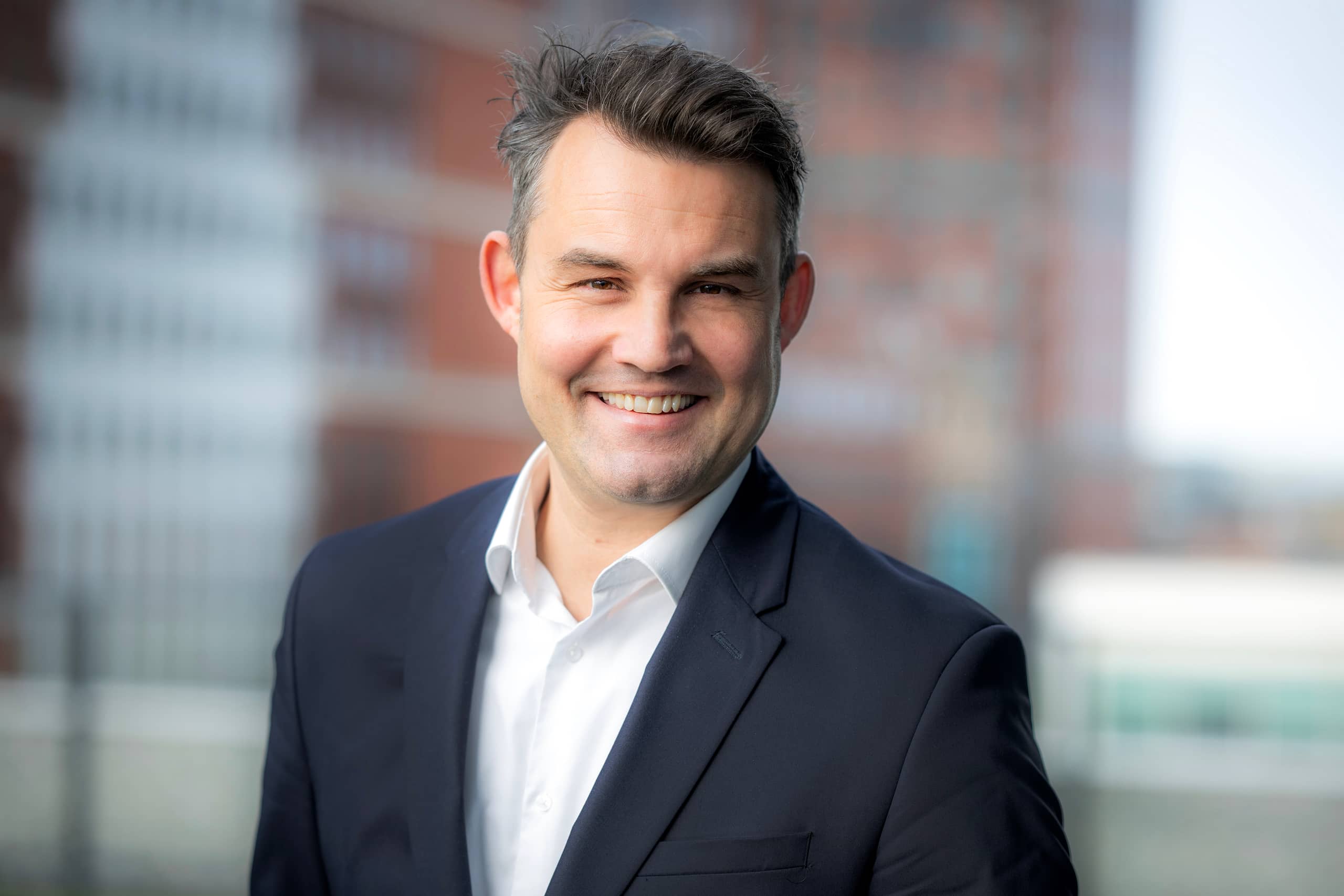
Beeld: © BZ / Josje Deekens
Jirka Mikulik, procurement adviser at FSO
Safeguarding quality
Thanks to their involvement in dozens of procedures the advisers at FSO Procurement have a wealth of procurement expertise, from which all missions can benefit. Every Thursday the advisers share new insights and cases with each other, building expertise within the whole team.
‘This job really teaches you to work together,’ Jeroen adds. He, too, is a procurement adviser. ‘Obviously, we have to work systematically in accordance with procurement legislation and the ministry’s procurement policy. At the same time we need to be flexible. The world is changing all the time and plans have to be adapted to developments. And we have to liaise with each other because, together, we arrive at better solutions.’
The advisers also check that all market operators are given a fair chance. Using the same provider year on year can lead to a declining number of market suppliers and higher prices. As Jirka says, ‘Ultimately, the client pays the price for that. It’s part of our job to point out those kinds of risks.’
Supply chain responsibility is another increasingly important consideration. This means that the people who actually carry out the work for the mission are treated fairly and paid a decent wage. Regie recalls how for years one provider charged BZ index-linked rates but didn't index-link staff’s wages: ‘No pay rise in six years is unacceptable of course. So our contracts now include a standard provision that index-linking also applies to employees’ pay.’ Involving FSO Procurement from an early stage ensures these kinds of quality and integrity considerations are taken into account.
Beeld: © BZ / Josje Deekens
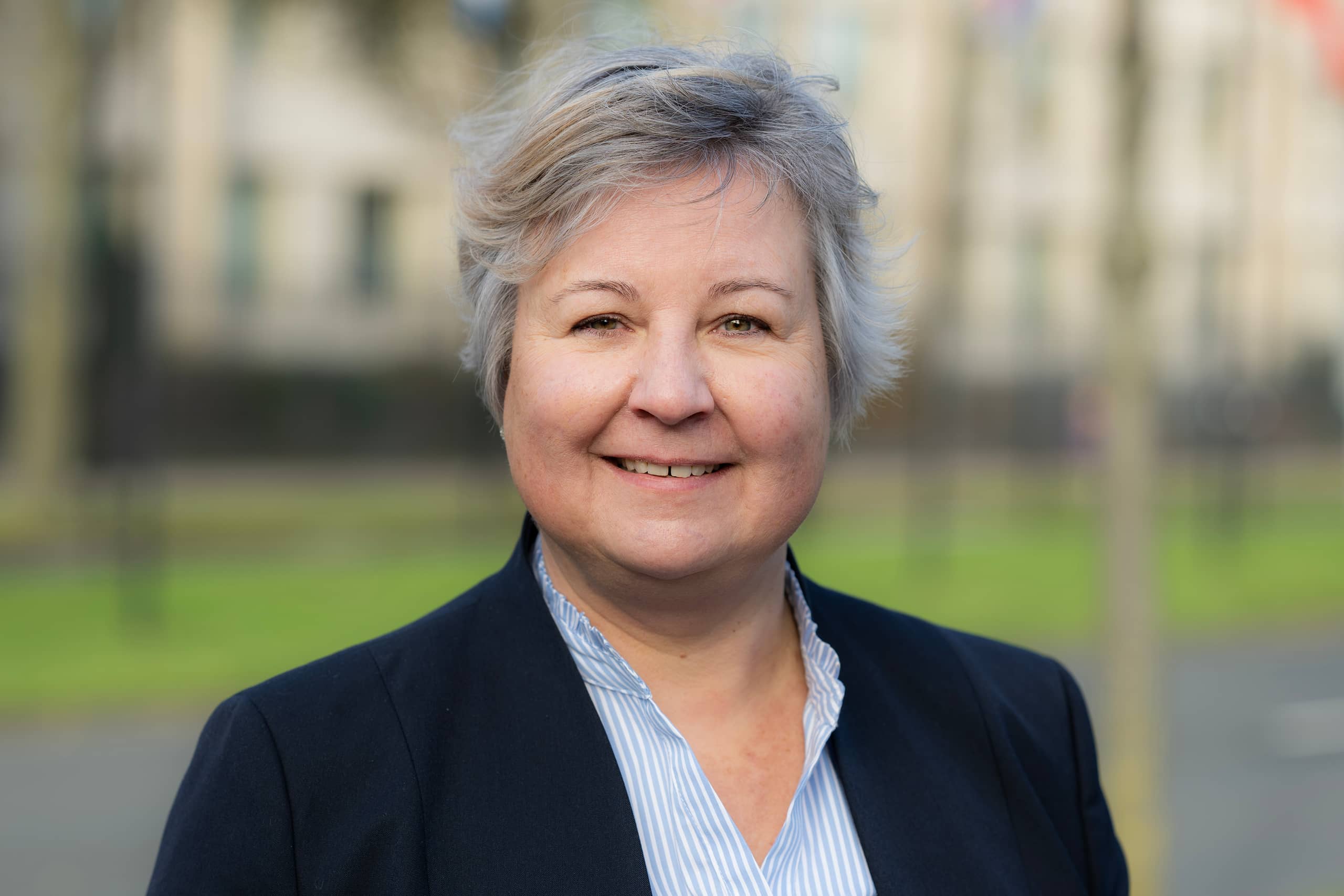
Liane Pucks, head of procurement at FSO
Job satisfaction
‘Our work is different every day. I might be on the phone with Ouagadougou one minute and Jakarta the next,’ Jozie says. ‘It’s also amusing when you get to know the operational manager in Accra and a few years later she calls you again from her new posting in Buenos Aires.’
‘Also, we’re always sharing knowledge within the team,’ Jirka adds. ‘Through learning from each other’s experiences, we’re constantly honing the solutions that we can offer missions worldwide.’ The advisers appreciate the results of a job well done: heartfelt thanks from a mission, an unexpected bouquet of flowers, or seeing a new embassy building that exists thanks in part to their efforts. Knowing that what you do makes a difference is the best source of job satisfaction.